







Moldova is not a country that shouts. It whispers. Tucked between Romania and Ukraine, this small, often-overlooked nation lacks the Eiffel Towers or Colosseums that draw selfie sticks and cruise ship crowds. What it possesses instead is a profound, soulful authenticity: rolling vineyards that stretch to the horizon, Europe’s largest underground wine cellars, crumbling Soviet-era monuments, and a fiercely proud rural culture where hospitality is not a marketing slogan but a way of life.
Yet, precisely because Moldova is undiscovered and unstructured, experiencing it well requires more than a rental car and a GPS pin. To truly hear its whisper, you need a private guide. While group tours and solo navigation have their place elsewhere, in Moldova they often leave visitors frustrated or, worse, completely missing the point. Here is why hiring a private guide transforms a Moldovan excursion from a logistical puzzle into an unforgettable journey.
The Language Barrier is Real – And Rewarding
In Chisinau’s city center, you’ll find English menus and young professionals speaking fluent English. But the moment you venture to a rural monastery, a family-run winery in a village without street names, or a Soviet-era sanatorium in the breakaway region of Transnistria, English evaporates.
Romanian and Russian dominate. A private guide acts as your cultural and linguistic bridge. They don’t just translate words—they interpret context. When a grandmother offers you sarmale (stuffed cabbage rolls) and insists you drink three glasses of homemade wine, your guide explains that refusing would be a genuine insult, not just a faux pas. You leave not as a tourist who ate, but as a guest who was honored.
You Won’t Find the Best Wineries on Google Maps
Moldova’s wine culture is legendary—Cricova and Milestii Mici boast miles of underground tunnels and hold Guinness records. But the country’s true magic lies in small, family-owned cramas (wine cellars) with no website, no signage, and no tasting room open to the public. These are people’s homes and ancestral vineyards. A private guide, often personally connected to the local wine community, can arrange a visit that feels like meeting long-lost relatives. You’ll sit under a walnut tree, drink a 2013 Feteasca Neagra, and hear the story of how the grapes survived a Soviet collectivization decree. No group bus tour will ever offer that.
Flexibility in a Land of Unpredictability
Moldova operates on “Moldovan time.” Buses run late (or not at all). A road marked on your navigation app may suddenly turn into a dirt track through a cow pasture. A recommended museum might be inexplicably closed for “sanitation day.” In a group tour, you are captive to a rigid schedule. With a private guide, you adapt. Spotted a Soviet mosaic you want to photograph? Pull over. Want to spend an extra hour at the Old Orhei archaeological complex because the light is perfect? Done. Your guide recalibrates on the spot, turning unexpected delays into discoveries rather than frustrations.
The Transnistria Puzzle
Few places on Earth are as geopolitically strange as Transnistria—a breakaway, unrecognized state where hammer-and-sickle symbols still adorn buildings, and border guards take themselves very seriously. Crossing from Moldova proper into this Soviet time capsule is not straightforward. There are no official “tours” in the conventional sense, and attempting to navigate the checkpoints, currency (Transnistrian rubles, worthless elsewhere), and opaque bureaucracy alone is risky. A private guide who works the region regularly knows which documents to present, how to behave at military checkpoints, and which cafes serve the best pelmeni (dumplings) to Soviet-era lounge music. They transform a potentially tense border crossing into a fascinating political safari.
Real Encounters, Not Staged Performances
Group tours in developing tourist destinations often traffic in what anthropologists call “staged authenticity”—a folklore show for money, a “traditional” craft demonstration performed five times a day. Moldova has some of that, but a private guide bypasses the theater. They take you to their actual friend’s house where the grandmother is actually baking placinte (pastries) for the family dinner. They know the priest at the Capriana Monastery who will quietly unlock the bell tower for you. These are not transactions; they are introductions. And in Moldova, an introduction from a trusted local is worth more than any guidebook.
Efficiency Without the Rush
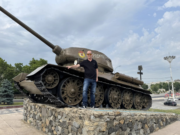
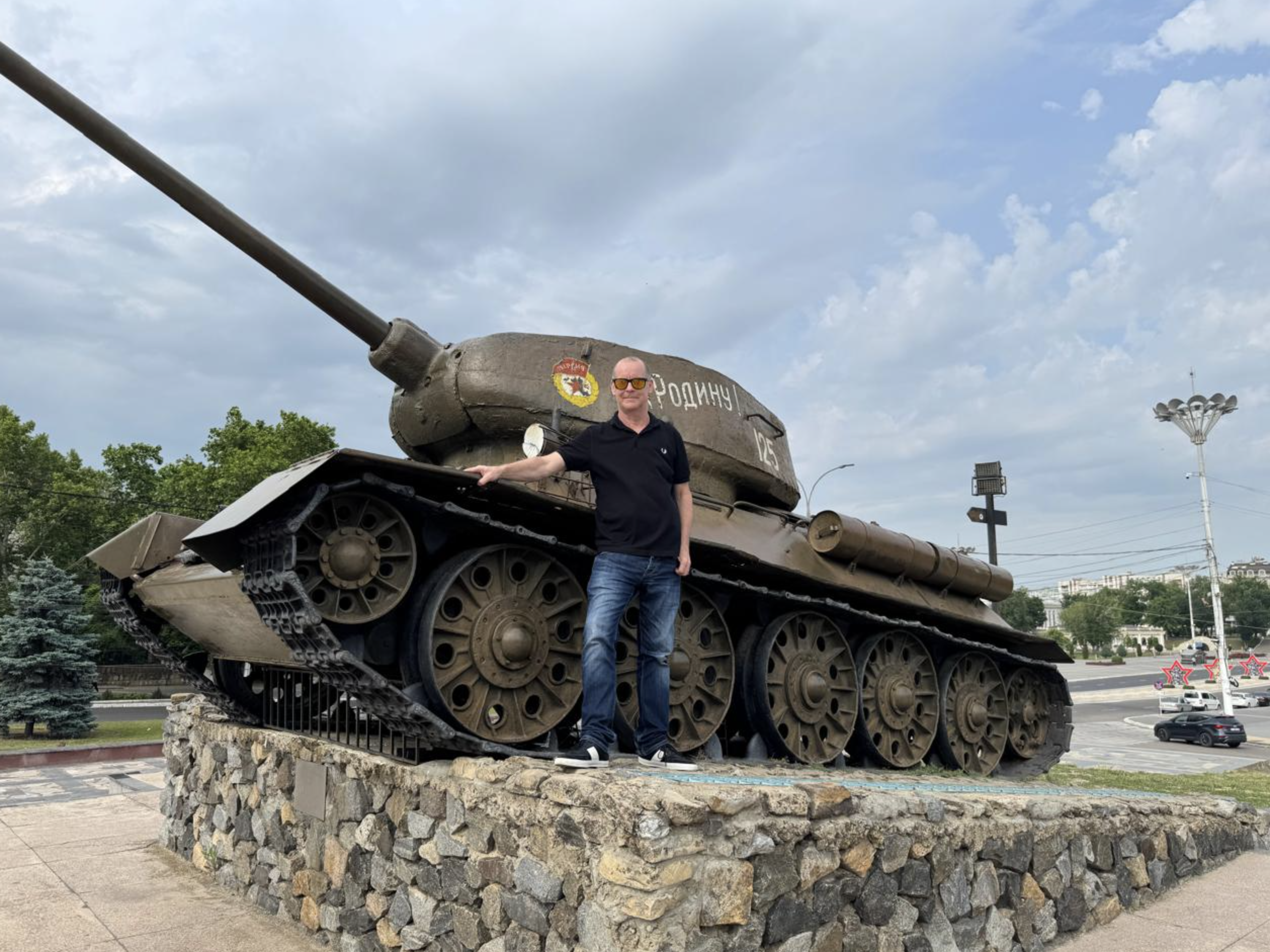
Moldova is compact—you can drive across most of the country in half a day. But seeing it well means layering history, wine, nature, and Soviet heritage in a logical sequence. A private guide designs a seamless route: morning in a Soviet-era tank cemetery, lunch at a hidden bistro in Chisinau that serves modern Moldovan cuisine, afternoon at a monastery carved into limestone cliffs, and sunset at a boutique winery. You maximize your time without feeling like a marathon runner. Group tours, by contrast, waste hours collecting people from hotels and waiting at overpriced tourist restaurants.
Conclusion: Moldova is a Relationship, Not a Checklist
You can “do” Moldova in two days by rental car, ticking off Cricova, Old Orhei, and the Chisinau Arch of Triumph. You’ll have photos. But you won’t have understood the country. Moldova’s beauty is not monumental; it is intimate. It lives in the stories of people who weathered Soviet famine, post-Soviet collapse, and now war next door in Ukraine—yet still offer strangers the last bottle of their homemade wine. A private guide does not just show you sights; they introduce you to those people, translate their laughter, and explain why this small, battered, beautiful country remains unbowed. For that experience, a map is useless. A guide is everything.
Enjoy your private guide in Chisinau.