





















Penang, Malaysia, is widely recognised for its multicultural heritage, historic architecture, distinctive cuisine and thriving arts scene. For travellers who want to understand more than the island’s popular tourist attractions, visiting its museums offers a fascinating introduction to the people, traditions and historical events that shaped the region.
From traditional Peranakan homes and Chinese clan heritage to ancient ceramics recovered from shipwrecks, the museums in Penang tell stories that connect local communities with wider Asian and international history.
George Town, the capital of Penang, became part of a UNESCO World Heritage Site in 2008 alongside Melaka, recognising the historical importance of the two cities as multicultural trading centres. Their development reflects centuries of interaction between Asian and European influences, visible in their architecture, religious buildings, commercial districts and living traditions.
Whether you are interested in archaeology, art, maritime trade, traditional craftsmanship or Malaysian cultural history, Penang has a museum experience to suit your interests. This guide explores some of the best museums in Penang and explains what makes each destination distinctive.
1. Straits & Oriental Museum: Explore Maritime History and Ancient Ceramics
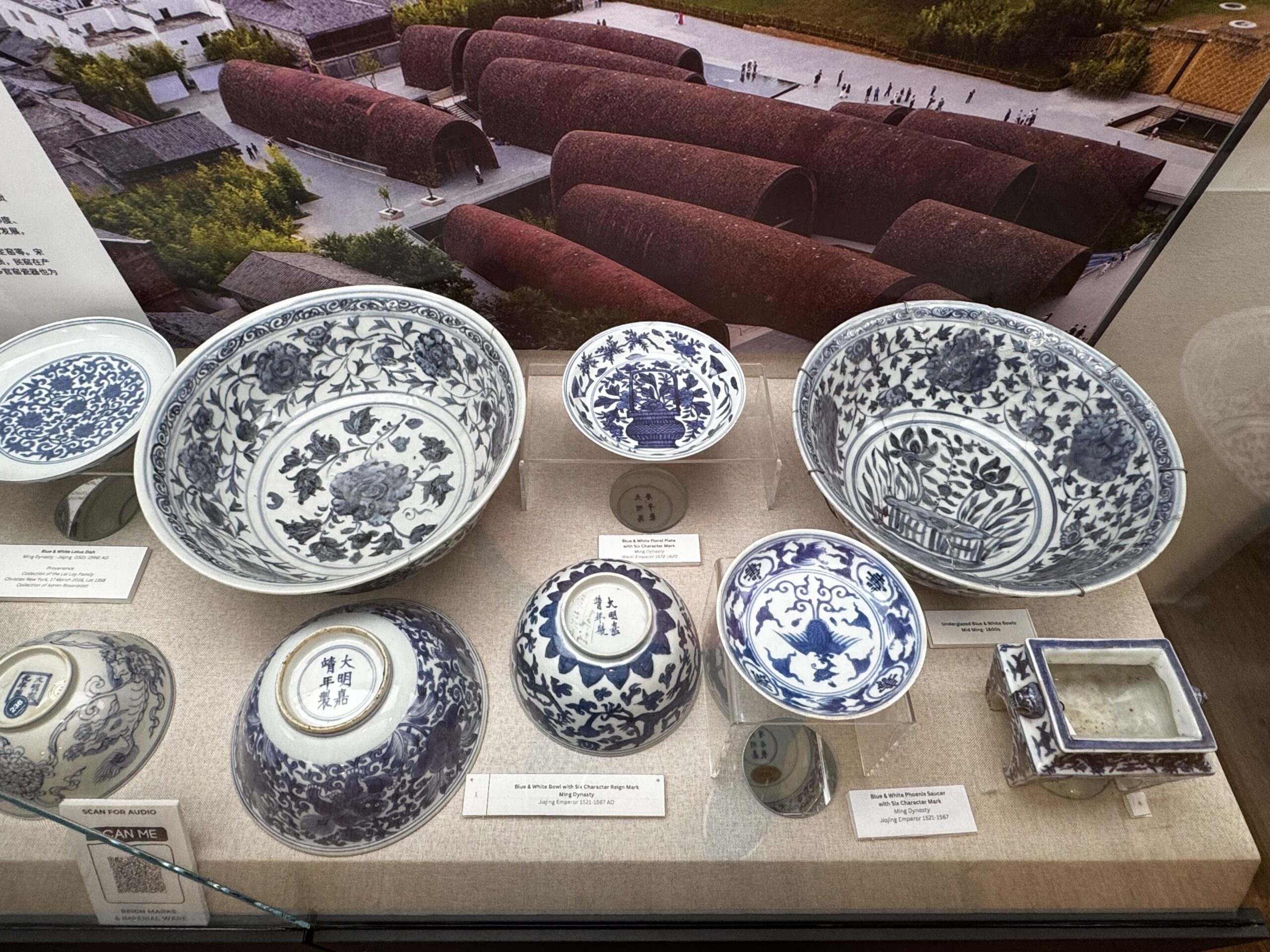
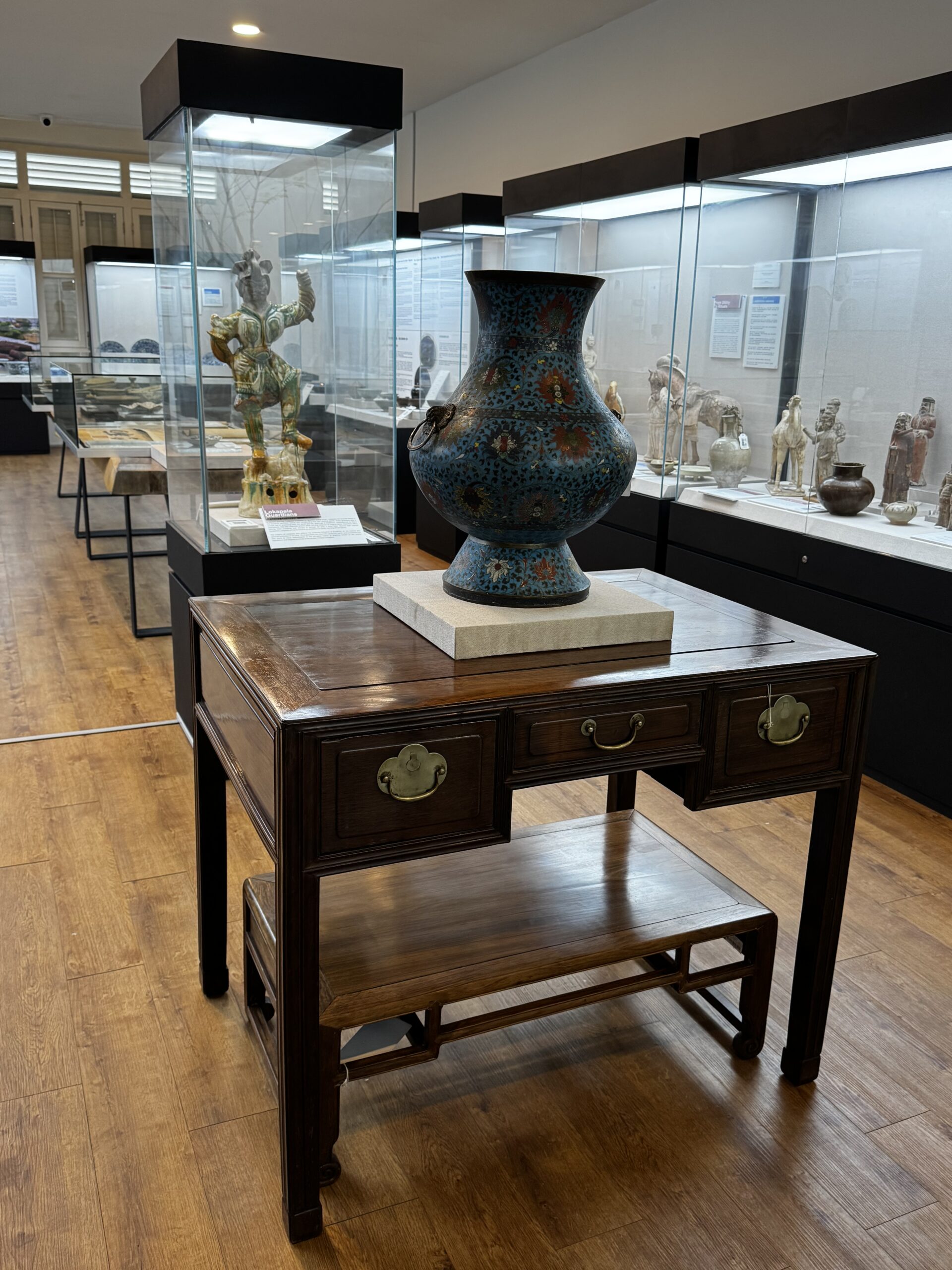
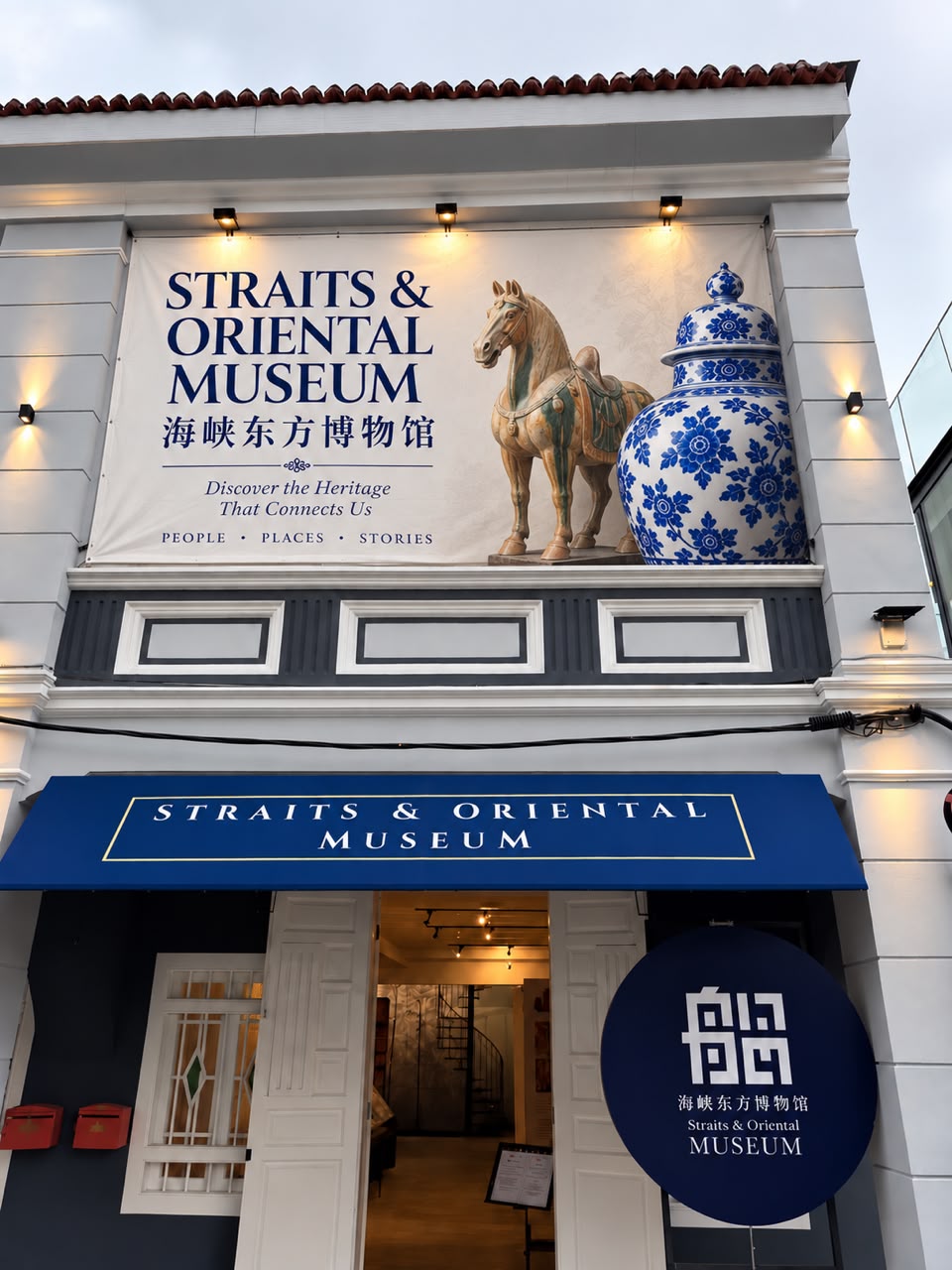
For travellers interested in maritime archaeology, ancient Chinese porcelain and the history of Asian trade, the Straits & Oriental Museum (SO Museum) offers a distinctive museum experience in George Town.
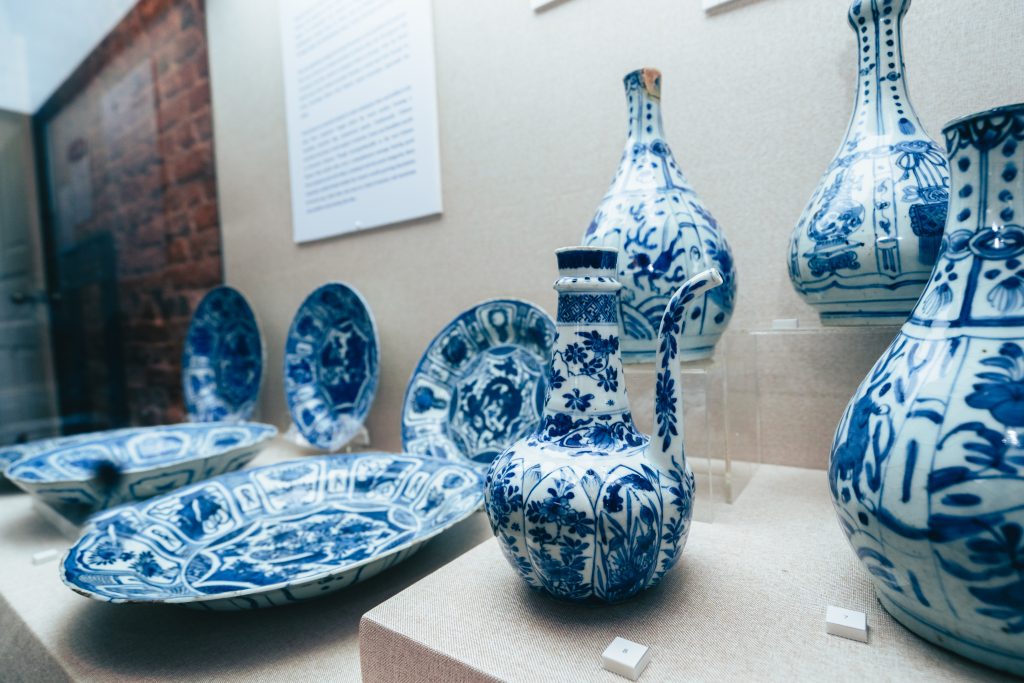
The museum’s website describes a collection of historical ceramics, including artefacts associated with shipwrecks in Southeast Asian waters. The collection connects objects from the past with maritime networks that transported goods, artistic traditions and cultural influences across the region.
Why visit SO Museum?
Ceramics are more than decorative objects. Their materials, manufacturing techniques, shapes and designs can provide clues about the societies that produced them and the markets for which they were intended. Chinese porcelain became an important traded commodity because of its craftsmanship, durability and aesthetic appeal.
SO Museum highlights artefacts associated with historic wrecks, including the Wanli, Turiang, Royal Nanhai, Nanyang, Xuande and Desaru shipwrecks. These collections offer visitors an opportunity to explore the relationship between underwater discoveries and the broader history of maritime commerce. The museum also features an art gallery.
What can visitors learn?
Ancient maritime trade: how sea routes connected regional ports and commercial centres.
Chinese ceramic craftsmanship: how porcelain and other ceramics developed as valuable artistic and commercial products.
Shipwreck archaeology: how recovered objects can contribute to the study of historical voyages and cargoes.
Cultural exchange: how traded goods moved between communities and helped shape artistic tastes.
These themes make SO Museum an interesting stop for history enthusiasts, families, students and travellers looking for cultural attractions beyond conventional sightseeing. For collection details and visitor information, explore the official SO Museum website.
2. Penang State Museum and Art Gallery: Understand the Island’s History
The Penang State Museum and Art Gallery is a destination for anyone seeking a broad understanding of the state’s historical and cultural development.
Situated on Farquhar Street in George Town, the museum occupies a historic building associated with the former Hutchings School. The state museum was established in 1964 and opened to the public in 1965.
Visitors can explore historical artefacts, photographs, documents and other materials that help explain how Penang developed over time. The museum’s broader cultural scope is valuable for understanding the relationship between different communities on the island.
Malay, Chinese, Indian, European and other cultural influences have contributed to Penang’s distinctive identity. The art gallery adds another dimension by providing a platform for artistic expression and exhibitions.
3. Pinang Peranakan Mansion: Discover Baba-Nyonya Culture
The Pinang Peranakan Mansion introduces visitors to the heritage of the Peranakan community, particularly Baba-Nyonya traditions that developed through historical interactions between Chinese and Malay cultures.
Peranakan heritage is expressed through domestic architecture, food, clothing, jewellery, language and ceremonial practices. The mansion recreates the atmosphere of an affluent historic residence, displaying traditional furnishings, decorative objects, porcelain, jewellery, textiles and other antiques.
Its interiors demonstrate how design traditions from different parts of the world came together in a single household. Chinese craftsmanship, European decorative styles and local cultural influences can be seen in the furnishings and ornamentation.
Visitors can learn about wedding customs, family life, social status and material culture. Everyday objects, from tableware to clothing, reveal how people lived, entertained guests and expressed cultural identities.
4. Sun Yat Sen Museum Penang: Explore Political and Social History
The Sun Yat Sen Museum Penang offers a different perspective on the island’s past by focusing on political history and the life of a major figure in modern Chinese history.
Located on Armenian Street, the museum occupies a traditional heritage house in George Town. It presents the story of Dr Sun Yat Sen’s revolutionary activities and his connections with Penang.
Sun Yat Sen played a significant role in the movement that brought an end to China’s imperial system and led to the establishment of the Republic of China in 1912. His political activities involved networks of supporters and reformers across several cities, including communities outside mainland China.
The historic residence places political events within the setting of everyday life in George Town. Check the official website for visitor information: https://sunyatsen.my/.
5. Khoo Kongsi: Experience Chinese Clan Heritage and Architecture
Khoo Kongsi combines architectural artistry, community history and traditional Chinese cultural practices. A kongsi is a clan association or communal organisation that historically helped migrants establish social connections, support community members and maintain shared traditions.
Khoo Kongsi is associated with the Khoo clan and is widely admired for its richly decorated ancestral hall. The complex features intricate carvings, decorative roof sculptures, stonework and elaborate ornamentation.
These details demonstrate the craftsmanship involved in constructing traditional Chinese clan buildings. Such spaces served social purposes, including ceremonies, gatherings, ancestral remembrance and community organisation.
Although a clan house is not the same as a conventional museum, it functions as a living heritage site where visitors can encounter history in its architectural setting. Check visitor guidelines, especially during ceremonies or community events.
6. Penang Indian Heritage Museum: Learn About Indian Communities
Penang’s cultural history cannot be understood without recognising the contributions of Indian communities. A heritage museum dedicated to this subject can help broaden the story of Penang beyond colonial and Chinese heritage narratives.
Indian communities have contributed to Malaysia’s commercial, religious, culinary and cultural life across generations. Their presence is reflected in places of worship, neighbourhoods, festivals, businesses and traditional food.
Visitors can pair a heritage-focused visit with a walk through Little India in George Town, where shops, restaurants, temples and cultural traditions contribute to the city’s multicultural atmosphere. Verify the museum’s current operating status and visitor details before planning a visit.
7. Penang War Museum: Explore Military History
Located at Batu Maung in the southern part of Penang Island, the Penang War Museum occupies a former British military fortress.
Unlike museums focused primarily on decorative arts or community traditions, this site centres on military infrastructure, wartime history and the experiences associated with conflict. Its setting allows visitors to explore defensive structures and understand how geography influenced military planning.
The site is relevant to travellers studying colonial history, military architecture and the impact of war on Southeast Asian communities. Check current opening hours, access conditions and safety guidance before travelling.
8. Wonderfood Museum: Discover Penang Through Food Culture
Food is an essential part of Penang’s cultural identity. The Wonderfood Museum presents this subject through large-scale food displays, visual interpretation and interactive exhibits.
Penang’s cuisine reflects centuries of cultural interaction. Malay, Chinese, Indian, Peranakan and other culinary traditions have influenced the island’s dishes, ingredients, cooking methods and dining customs.
Food tells stories about migration, trade, agriculture and everyday life. A museum dedicated to food culture can make these connections accessible to families and visitors who prefer interactive attractions.
After the visit, travellers can explore Penang’s food scene in local markets, restaurants and hawker centres, where many culinary traditions continue to evolve.
9. Penang Camera Museum: Explore the History of Photography
The Penang Camera Museum is a specialist attraction for visitors interested in photography, technology and visual storytelling.
Vintage cameras and photographic equipment can illustrate how image-making evolved from older mechanical processes to modern digital systems. Photography also connects naturally with travel: images document historical events, represent destinations and preserve memories.
For photography enthusiasts, a camera museum offers a different perspective on the relationship between technology and culture. Confirm the museum’s current operating status and visitor arrangements before including it in a fixed itinerary.
10. Made in Penang Interactive Museum: A Different Kind of Cultural Experience
For visitors who enjoy visual installations and interactive exhibits, the Made in Penang Interactive Museum offers an alternative to conventional museum displays.
Interactive attractions can make cultural subjects more accessible by encouraging visitors to engage directly with exhibits and photographic settings. They may appeal to families, groups of friends and travellers seeking a relaxed sightseeing experience.
Pairing interactive attractions with destinations such as the Penang State Museum, Khoo Kongsi or SO Museum can create a balance between hands-on experiences and deeper historical learning. Check current operating details before visiting.
How to Plan a Museum-Hopping Day in Penang
With many cultural attractions concentrated in George Town, visitors can plan a rewarding museum itinerary by grouping destinations geographically and selecting museums that reflect their interests.
Morning: Start with history and architecture. Begin with the Penang State Museum and Art Gallery, then continue to Khoo Kongsi to appreciate traditional Chinese craftsmanship and community heritage.
Late morning: Explore maritime history. Visit the Straits & Oriental Museum to learn about historic ceramics, shipwreck discoveries and Asian maritime trade. Allow enough time to examine the displays rather than rushing through the galleries.
Afternoon: Discover multicultural Penang. Choose between the Pinang Peranakan Mansion, Sun Yat Sen Museum Penang or another specialist museum. If food is a priority, combine museum visits with a meal at a local hawker centre or restaurant.
Late afternoon: Walk through George Town. Notice traditional shophouses, religious buildings and architectural details that reflect the city’s multicultural past.
This is a suggested sequence, not a guarantee of opening times or travel durations. Check each attraction’s current schedule before setting out, and allow extra time for meals and walking.
Why Penang’s Museums Matter for Cultural Tourism
Museums help visitors understand destinations beyond their visual appeal. In Penang, collections and heritage buildings offer different ways to investigate the island’s history. A historic mansion reveals aspects of domestic life, a clan house demonstrates community organisation, and a maritime collection helps explain the movement of goods across regional trade routes.
These experiences encourage responsible cultural tourism. By learning about local traditions and the significance of historic objects, visitors can develop a greater appreciation for conservation and the communities that maintain heritage sites.
The movement of ceramics, spices, textiles and other goods helped connect ports across Asia. Objects preserved through archaeology can offer physical evidence of these networks and complement written records used by historians.
For travellers interested in this subject, SO Museum is a useful addition to a broader exploration of Penang’s heritage. Its focus on recovered ceramics provides a tangible connection between the island’s cultural landscape and the wider history of Asian seaborne commerce.
Frequently Asked Questions About Museums in Penang
What are the best museums in Penang?
Popular choices include the Straits & Oriental Museum, Penang State Museum and Art Gallery, Pinang Peranakan Mansion, Sun Yat Sen Museum Penang, Khoo Kongsi, Penang War Museum and Wonderfood Museum. The best option depends on whether you prefer maritime archaeology, art, architecture, political history or food culture.
Which museum in Penang is best for maritime history?
The Straits & Oriental Museum is a strong choice for visitors interested in maritime history and historic ceramics. Its collection includes artefacts associated with shipwrecks in Southeast Asian waters.
Are there art museums in Penang?
The Penang State Museum and Art Gallery includes an art gallery, while the Straits & Oriental Museum also features art exhibitions.
How many days should you spend exploring museums in Penang?
One full day can cover several museums in George Town, depending on your pace and opening hours. Two days provide more time for specialist collections, heritage architecture and attractions outside the city centre.
Are Penang’s museums suitable for families?
Many museums offer experiences suitable for families, although the content and level of interaction vary. Interactive attractions may appeal to younger visitors, while maritime collections and heritage houses can provide educational experiences for older children.
Where is SO Museum located?
The Straits & Oriental Museum is located at 7 and 9 King Street, with adjoining heritage buildings at 66 Church Street in George Town, Penang. Visit https://somuseum.asia/ for information about its collection and visitor experience.
Should you book museum tickets in advance?
Booking requirements vary by attraction. Check the official website or contact the museum before visiting, especially during public holidays, school breaks or peak travel periods.
Conclusion: Experience Penang Beyond Its Famous Streets
Penang’s museums offer a deeper way to understand the island’s identity, connecting architecture, art, community traditions, political history and maritime trade.
From the interiors of the Pinang Peranakan Mansion to the community heritage of Khoo Kongsi, each destination reveals a different part of the region’s story. The Penang State Museum provides broader historical context, while specialist attractions introduce visitors to photography, food and military history.
For travellers drawn to ancient objects and the history of Asian seaborne commerce, the Straits & Oriental Museum adds another dimension. Its collection of historic ceramics and shipwreck-related artefacts demonstrates how objects can connect modern visitors with the people, voyages and trade networks of the past.
By exploring Penang’s museums alongside its historic streets, local food and living cultural traditions, visitors can gain a richer appreciation of why George Town remains a compelling destination for heritage tourism.
Planning a cultural visit to Penang? Explore the collections and visitor information at SO Museum and include maritime history in your next George Town itinerary.